
Insights
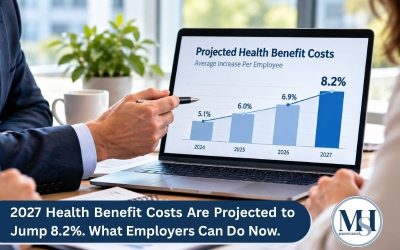
2027 Health Benefit Costs Are Projected to Jump 8.2%. What Employers Can Do Now.
Employers hoping for some relief from several years of rising healthcare costs may need to reset expectations for 2027. New survey data from Marsh projects that the average total health benefit cost per employee will rise 8.2% in 2027, even after employers make...
New Georgia Law Limits AI-Only Health Insurance Decisions: What Employers Should Know Before 2027
Artificial intelligence is already changing healthcare in ways most employees never see. Behind the scenes, insurers and health plans increasingly rely on sophisticated software to sort information, identify patterns, automate administrative work and assist with...

Legislation & Compliance DOL Proposal Could Change How Group Health Plans Deliver Required Documents
A new Department of Labor proposal could give ERISA-covered group health plans another option for delivering required documents electronically. Here’s what employers should know about the proposal, potential benefits and what happens next.

Preparing for High-Cost Claims: Strategies That Protect Your Benefits Budget
High-cost claims can quickly disrupt an employer’s benefits budget. Proactive claims monitoring, specialty pharmacy management, care navigation and financial planning can help organizations prepare for large medical expenses before they become renewal-season surprises.
Stop-Loss Insurance: What Self-Funded Employers Should Review Before Renewal
Stop-loss renewal is about more than premium. Self-funded employers should evaluate attachment points, aggregate protection, laser provisions, contract terms and emerging claims exposure before renewal negotiations begin.
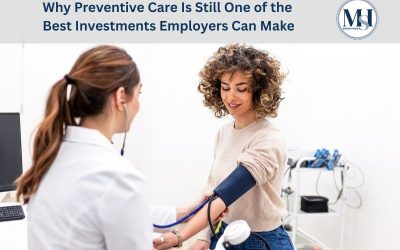
Why Preventive Care Is Still One of the Best Investments Employers Can Make
Preventive care can help employers identify health risks earlier, manage long-term healthcare costs, reduce absenteeism, improve productivity, and build a healthier workforce. The greatest value comes when employees understand and use the preventive benefits available to them.